Op-Ed · July 7, 2026
A Skeptic's Optimism on AI and Creativity
Thoughts on Google's $75 Million Partnership with A24
1015 words · Estimated read time: ~5 mins
I was scrolling through Instagram when I saw that A24 had partnered with Google DeepMind.
Then I opened the comments. “Traitor.” “I'm switching to Neon.” There were memes beating A24 up like it had personally betrayed cinema. When I saw “time to start A25,” I laughed out loud, hit a like, and reshared to my closest film-major friend (I'm a film major too.)
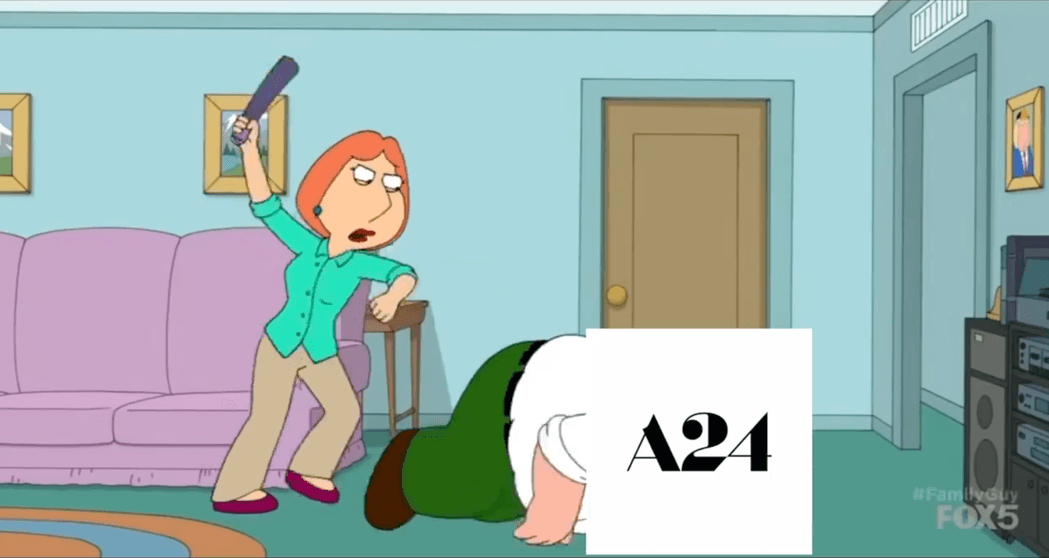
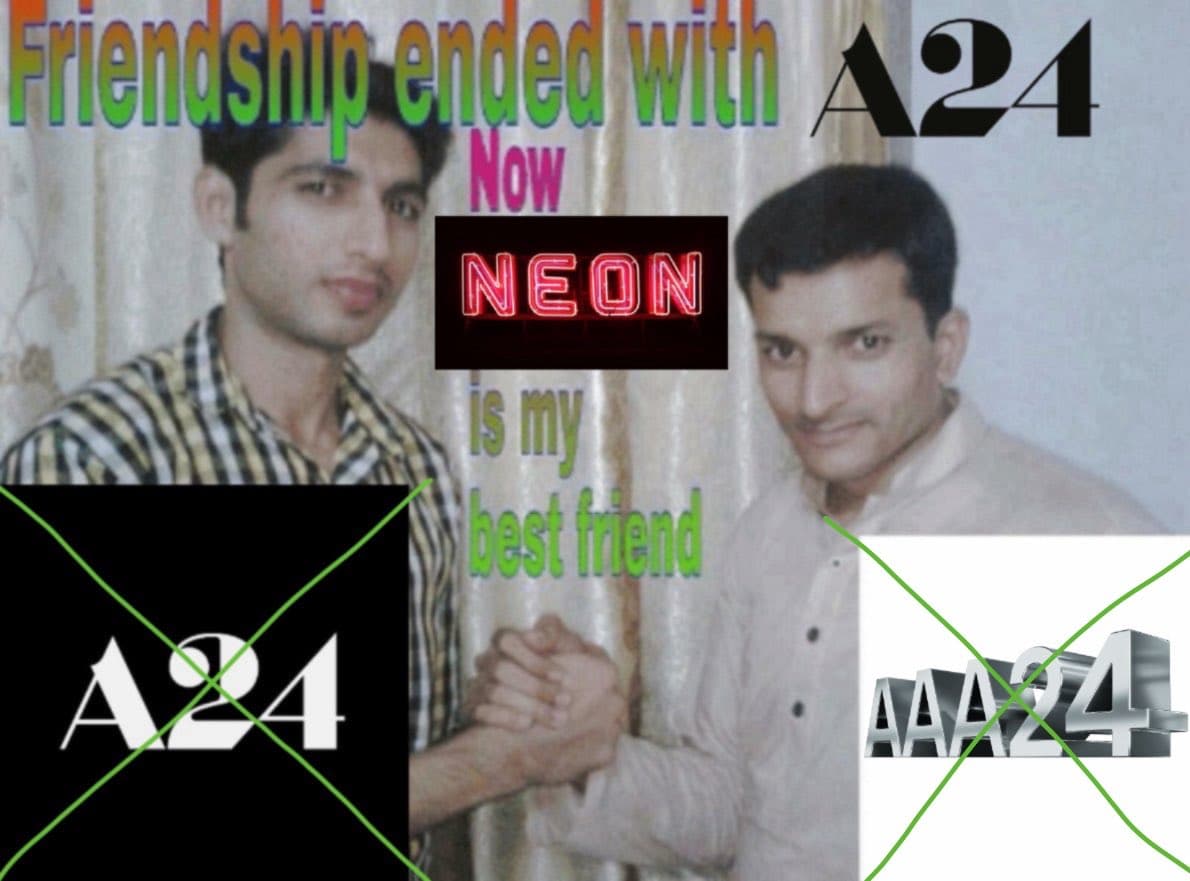
Then I realized I couldn't stop thinking about it.
When did we start placing so much faith in a company? Somewhere along the way, A24 had stopped being just another production company and become something much bigger—a symbol of what “real cinema” should look like.
Don't get me wrong. I love A24. Like many people, I've been watching A24's films and TV shows since middle school and tracking A24's history for years as a media enthusiast. I admire the guts of the three founders (Daniel Katz, David Fenkel, and John Hodges) who set out to challenge Hollywood's traditional production model. I love that, instead of pumping out safe remakes or superhero vehicles (which they still do), A24 embraced creative risks, so we had “Everything Everywhere All at Once” in local AMCs or “Euphoria” on our TVs. I've appreciated the kind of stories it has helped bring into the world.
But by the end of the day, it's still a company. Companies scale and make business decisions. In A24's case, it's already progressing from “small budget indie movie studio” to “one of the most iconic brands in cinema.” Filmmakers, are we trusting a logo or a brand, or the people who create?
A24 has been purposefully making small investments since its birth. This deal isn't betraying its own principles — in some ways, it's following them.
Take Gotham's skyline in a Batman film. It may take 50 VFX artists 3 months to build the blocks behind Batman and Catwoman. The rendering process might be repetitive, and with the strong vision of the director, the artists might just be “coders” who turn this vision to life.
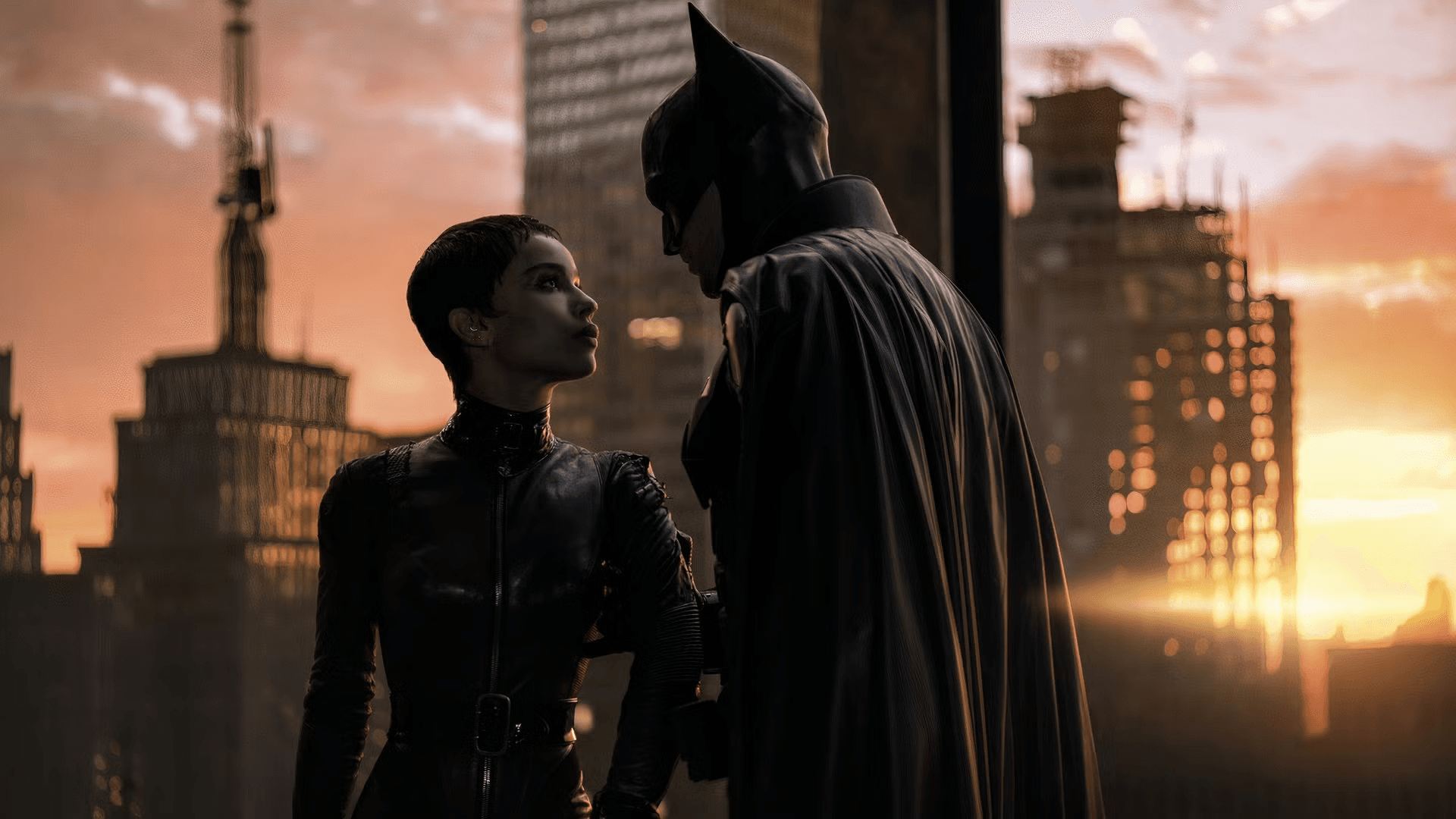
With AI, however, it might take only an hour or two, including human prompting and fine-tuning the details.
A better question rises here still: what kinds of labor merely realize a vision, and what kinds of labor are the vision itself?
But nevertheless, for a bold independent filmmaker who doesn't have money but wants to shoot sci-fi with complicated visions — using AI might be a good idea. For a smaller studio, it might finally become possible to realize that filmmaker's vision. If A24 is betting on creative independent artists with bold visions, embracing AI might not be a bad idea — it saves production costs and time, supports new artists in turning their visions to life, and improves turnover rate to make more films. (But currently, they are not making production deals — this is just speculative.)
Shifting gears to talk about the AI deal itself. A24 makes it explicit that this is not a production or data licensing deal, and that Google doesn't get access to A24's film library for model training. Even though we can't know for sure how the future will progress and how this partnership will evolve, it shows at least some awareness of the AI ethics and threats in the creative fields.
One thing we already know for sure: A24 Labs, the internal AI team within A24 founded about 10 months ago, has already been developing AI storyboarding. I would imagine the “AI research” is pointing to developing filmmaking workflows (which is still subject to debate on its reasonability), rather than generating films directly.
Thinking of the division between south and north California, I have a few words.
For the techno-optimists in the Bay Area, an assertion like “artists are just afraid of technology” is simply prejudiced. Film history in itself is technology history. Every revolution, Hollywood is a part of it, or even the leader of it. Think of sound motion picture in the 1920s, digital cameras, CGI, LED Volume, and Virtual Production. I just wrote a piece about how the motion capture of Hollywood is building the technology stack for training robots. Emerging technologies are rooted in the human fundamental pursuit for better storytelling and new forms of expression. New technologies stem from Hollywood and radiate to other industries.
For the creatives in Hollywood, I share the concern that AI could erode creative labor. It could replace creative work, flatten originality, or reduce filmmaking to prompts and algorithms. All of these should be taken seriously.
Every major technological shift initially triggers fears about authenticity — I acknowledge mine. But if our goal is to protect human creativity, is entirely refusing to engage with AI actually the best way to do it?
In response to the backlash, A24 states that “We'd Rather Have a Seat at the Table Than on the Sidelines.” This actually makes some sense to me.
Whether we like it or not, AI is already entering filmmaking. Not someday. Now. The question, to me, is no longer whether AI should exist in this industry. It already does. The more interesting question is who gets to shape how it's used.
If creatives really care about the future of creation, the most important task isn't to recede from this discussion — it's participating in shaping the rules and boundaries of it. It's a sense of participatory governance.
If anything, I think this moment demands more critical thinking, not less. We should be more specific about what we mean by AI, what we mean by human ingenuity, and what exactly we're trying to protect, instead of just sending out memes or engaging in blind studio worship or condemnation. Ask more specific questions on copyright, consent, compensation, labor, and authorship. Debate where AI belongs in the creative process and where it doesn't. Build the rules before the technology builds them for us.
I hope these questions are worth asking. And I hope my words make some sense to you too.